
Does 240hz add input lag? (Tested & Explained)
Quick Answer: No, 240Hz Reduces Input Lag No — 240Hz does not add input lag. It does the opposite. A 240Hz monitor refreshes the screen more…
Quick Answer: No, 240Hz Reduces Input Lag No — 240Hz does not add input lag. It does the opposite. A 240Hz monitor refreshes the screen more…
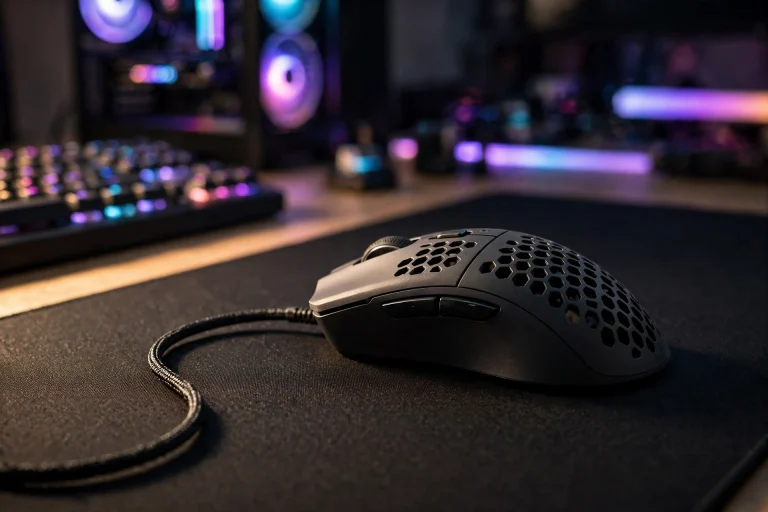
No, a heavy mouse does not increase electronic input lag. The sensor, polling rate, and click signal travel at the same speed no matter how much…

Quick answer No — a second monitor by itself does not meaningfully lower your FPS. If the second screen is just showing a static desktop, a…
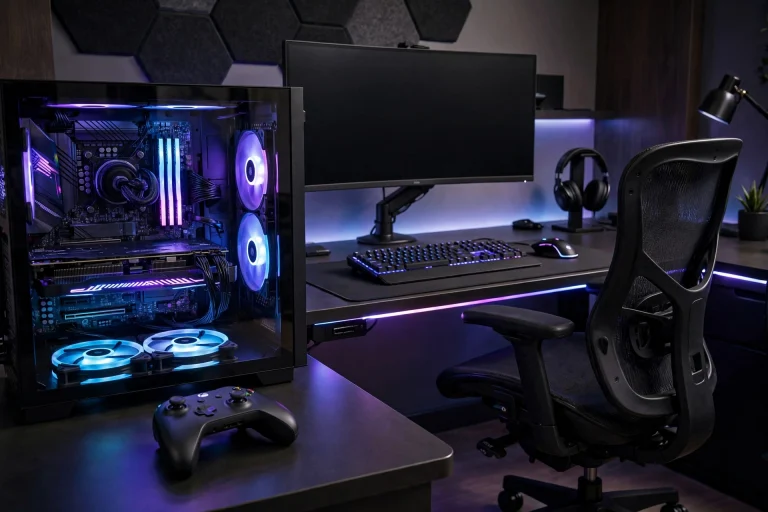
Yes — chair height versus desk height does affect FPS aim, and the fix is simple: sit high enough that your forearm is roughly level with…

Quick Answer No, IEMs do not automatically damage your hearing just because you game with them. The risk comes from how loud you listen and for…
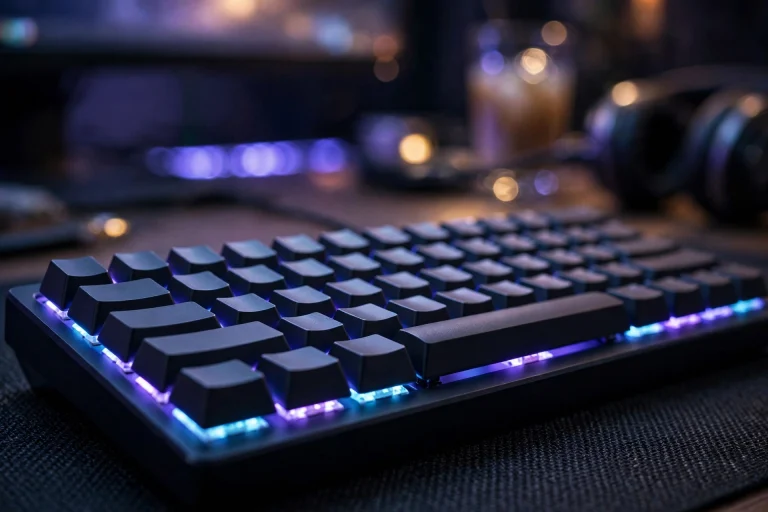
Yes. Keycaps absolutely affect typing sound and feel, often more than beginners expect. Swap a thin, light set for a thicker, denser set on the exact…
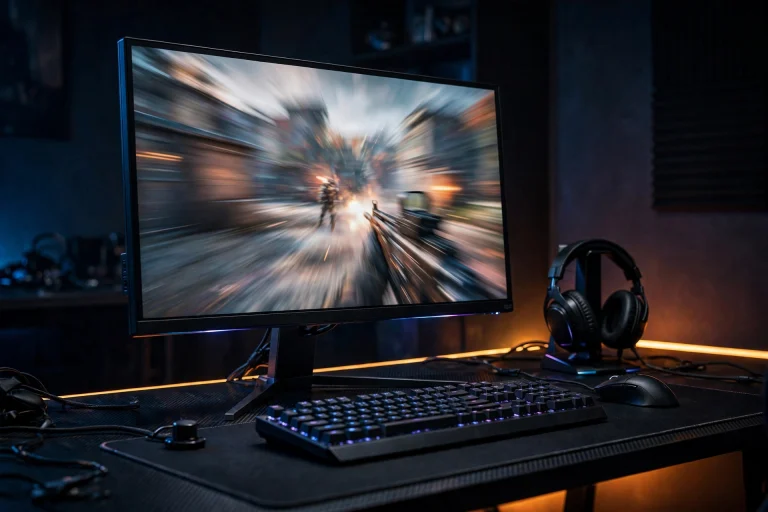
Quick answer No. Switching from 1080p to 1440p does not, by itself, add input lag. Resolution is about how many pixels your monitor shows, not how…
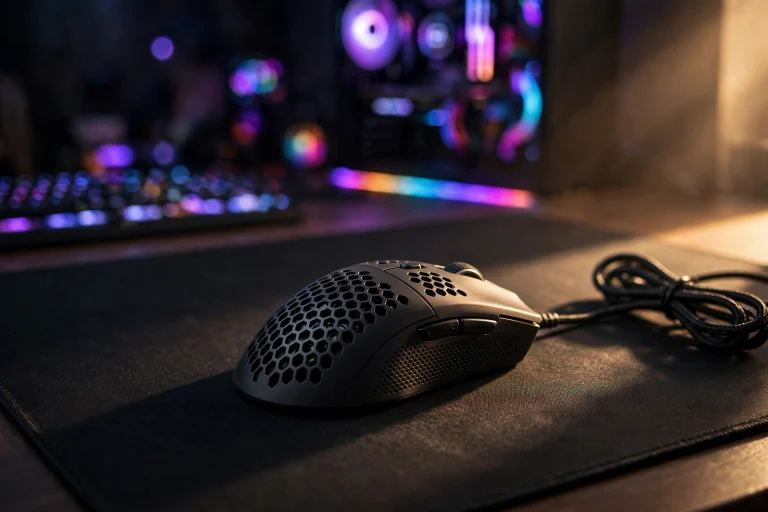
Yes — a heavy mouse can affect aim accuracy, especially for fast flicks, quick stops, and long sessions. It does not make good aim impossible, but…
No — running a longer ethernet cable to your PC or console does not meaningfully increase ping. Within normal home distances, swapping a short cable for…
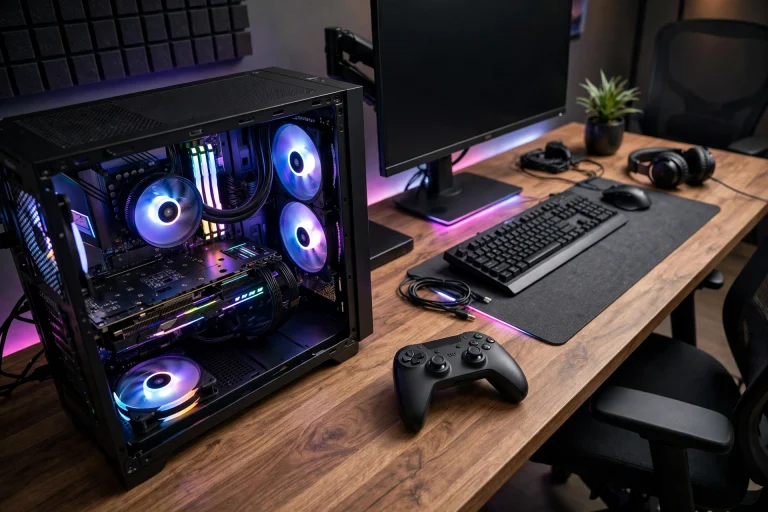
Yes — for the most common cause of stick drift, Hall Effect joysticks are as close to a permanent fix as you can get. They remove…